Surveying Fundamentals: Grasping the Techniques and Tools
Land surveyors play a vital role in the field of real estate, building, and land development, serving as the backbone of all undertaking that involves land. Their expertise ensures that property limits are precisely determined, building plans are effectively executed, and legal compliance is upheld. For https://graph.org/Essential-Insights-What-Every-Property-Owner-Should-Be-Aware-Of-About-Surveyors-10-10 , understanding the range of a surveyor’s work is crucial, particularly when facing complex issues such as purchasing new land or undertaking renovations.
In this article, we will explore various surveyor techniques and tools, clarifying what a surveyor does and why their services are indispensable in today’s property market. Whether you are a first-time homebuyer or a veteran property developer, knowing the essentials of land surveying will enable you to make educated decisions and avoid costly mistakes. From boundary disputes to the integration of advanced technology like GPS and drones, we will cover everything you need to know about surveying and its significance in both urban and remote settings.
Overview of Surveying Methods
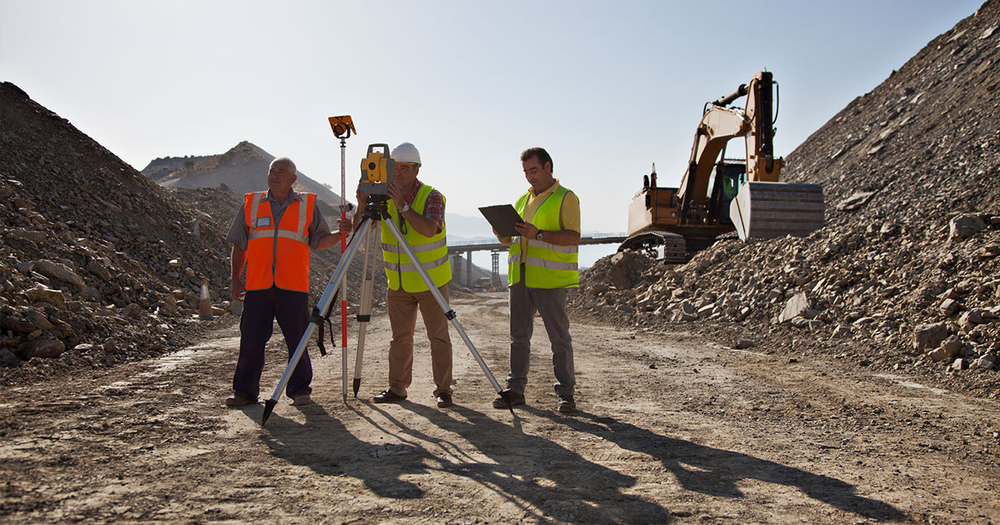
Land surveying is a critical field that utilizes various techniques to evaluate and map land features accurately. Traditional methods include the application of surveying levels, angle measurement instruments, and surveying total stations. These tools allow surveyors to determine exact distances, angles, and elevations, which are crucial for developing exact maps and boundary lines. In this initial approach, measurements are taken at the location, often demanding multiple visits to ensure accuracy.
As technological advances have advanced, so have the techniques used by surveyors. Current surveying increasingly combines GPS technology, which provides precise global positioning and enhances survey efficiency. This allows for more rapid data collection over large areas, making it particularly valuable in extensive projects. Additionally, electronic distance measurement (EDM) tools have become routine, facilitating instantaneous calculations and reducing human error in land measurement tasks.
Another significant development in surveying is the application of aerial drones and 3D laser scanning. Drones enable surveyors to capture aerial imagery with great precision, allowing for swift assessments of spacious properties or difficult terrains. Meanwhile, 3D laser scanning captures comprehensive topographic data, creating comprehensive three-dimensional models of the surveyed area. These advanced techniques are transforming the field of surveying, providing greater accuracy and reducing the duration for project completion.
Importance of Hiring a Professional Surveyor
Engaging a qualified surveyor is crucial for ensuring the precision and trustworthiness of land measurements. Surveyors are expert experts who comprehend the intricacies of property lines, zoning laws, and land-use regulations. By retaining a professional surveyor, property owners can avoid costly mistakes that may arise from inaccurate information or improper planning. Their knowledge guarantees that all boundaries are precisely defined, reducing the chance of disputes with neighbors over property lines.
Additionally significant benefit of hiring a professional surveyor is their ability to employ advanced technology in their work. Contemporary surveyors often use tools such as GPS and drones, allowing them to gather precise data and create detailed maps quickly. This technological edge not only enhances the precision of the survey but also accelerates the process, permitting projects to progress without avoidable delays. In an industry where exactness is critical, leveraging these tools makes a significant difference.
Finally, trained surveyors play a vital role in legal compliance and documentation. https://nguyen-mahoney.federatedjournals.com/mapping-the-tomorrow-the-way-geospatial-professionals-mold-the-world create detailed reports that may be required for various legal transactions, such as buying or selling property, securing permits, or resolving boundary disputes. Their expertise of local regulations ensures that surveys conform to all legal standards, protecting property owners from potential liabilities. By investing in professional surveying services, property owners acquire peace of mind and a thorough understanding of their land, allowing informed decisions about their investments.
Understanding Land Surveying Expenses and Procedures
The cost of a property survey changes considerably depending on considerations such as the kind of survey, the dimensions of the land, and the site. Elementary boundary surveys usually range from a some hundreds to a few thousand dollars, while more complex surveys, like ALTA/NSPS surveys, can be noticeably costlier. Landowners should solicit quotes from several surveyors to assess prices and solutions provided. Grasping these expenses can help real estate holders budget effectively and pick a land surveyor who meets their demands.
The land surveying procedure generally involves multiple stages comprising initial consultation, fieldwork, data analysis, and final report preparation. During the initial meeting, surveyors collect information about the land and discuss the client's needs. Fieldwork includes measuring the land, reviewing previous documents, and marking boundaries. Once the data is acquired, surveyors examine the findings and compile a thorough report that outlines the survey results, which the client can use for various purposes.
It is crucial for landowners to be aware of the procedures and costs associated with property surveys to avoid surprise expenses and confirm that they receive a thoroughly executed and precise service. Hiring a certified surveyor doesn't just assist define boundaries and boundaries while also aids adherence with local regulations, which is essential for any forthcoming property development or construction projects. Comprehending these aspects enables real estate holders to take educated decisions regarding their property investments.