Stay Frosty: Crucial Advice for AC Installation Process
As the temperatures rise, ensuring a pleasant and enjoyable home turns into a primary priority for many homeowners. Cooling system service is a key step towards forming an welcoming indoor environment, especially during the blistering warmest months. Whether you are changing an outdated system or installing a new unit for the initial installation, understanding the ins and outs of this process can make a significant improvement in your comfort and happiness.
In this comprehensive overview, we will discuss essential tips and information to help you navigate the realm of AC installation. From recognizing the right time for a modern unit to picking the most suitable unit for your residence, we will cover everything you need to know to decide wisely. With the correct information, you can ensure your cooling investment is worth it, keeps your indoor area at an ideal temperature, and even boosts the overall appeal of your home.
Vital Advice for Air Conditioning Installation
When planning for air conditioning installation, it's important to select the right season of year. The ideal seasons for installation are springtime and autumn, as demand is lower and HVAC technicians are more available. This approach not only ensures that you can arrange a qualified technician of your choice, but it can also lead to more favorable pricing and quick service. Steer clear of peak summer months when HVAC specialists are busy and costs may increase.
Choosing the appropriate size for your air conditioning system is another critical factor. Larger is not always better; an oversized unit will cycle on and off frequently, leading to inefficient cooling and higher energy costs. Conversely, an too small system will have difficulty to cool your home. You should calculate your home's cooling needs by considering factors such as square footage, insulation, and local climate, and consult with a specialist to determine the most suitable unit size.
Before installation day, ensure to prepare your home properly. Remove any obstacles around the area where the unit will be installed, both inside and outside. This helps the installers work effectively and securely. Additionally, think about reviewing your home layout and particular cooling needs with the setup team to ensure that the system is set up for optimal performance. Proper preparation can lead to a smoother installation process and a more effective air conditioning system overall.
How to Choose an Appropriate Air Conditioner
Determining the right air conditioner for your space requires assessing your specific cooling needs. Begin by taking into account the dimensions of the area you wish to cool. An air conditioner that is too small will struggle to cool the space effectively, while one that is too large may result to uneven temperatures and higher energy costs. Calculate the area of your rooms, and consult a cooling capacity guide that correlates the size of your space to the BTU (British Thermal Unit) needs of different air conditioning models.
Afterward, evaluate the category of air conditioning system that will most effectively suit your lifestyle and the layout of your home. Central air systems are perfect for larger homes with existing ductwork, providing effective cooling across several rooms. On the other hand, ductless mini-split systems offer flexibility for homes without ducts, allowing you to chill certain spaces without the need for major renovations. Take into account the architectural style of your home and the financial aspect when choosing from these options, as both has its advantages and disadvantages.
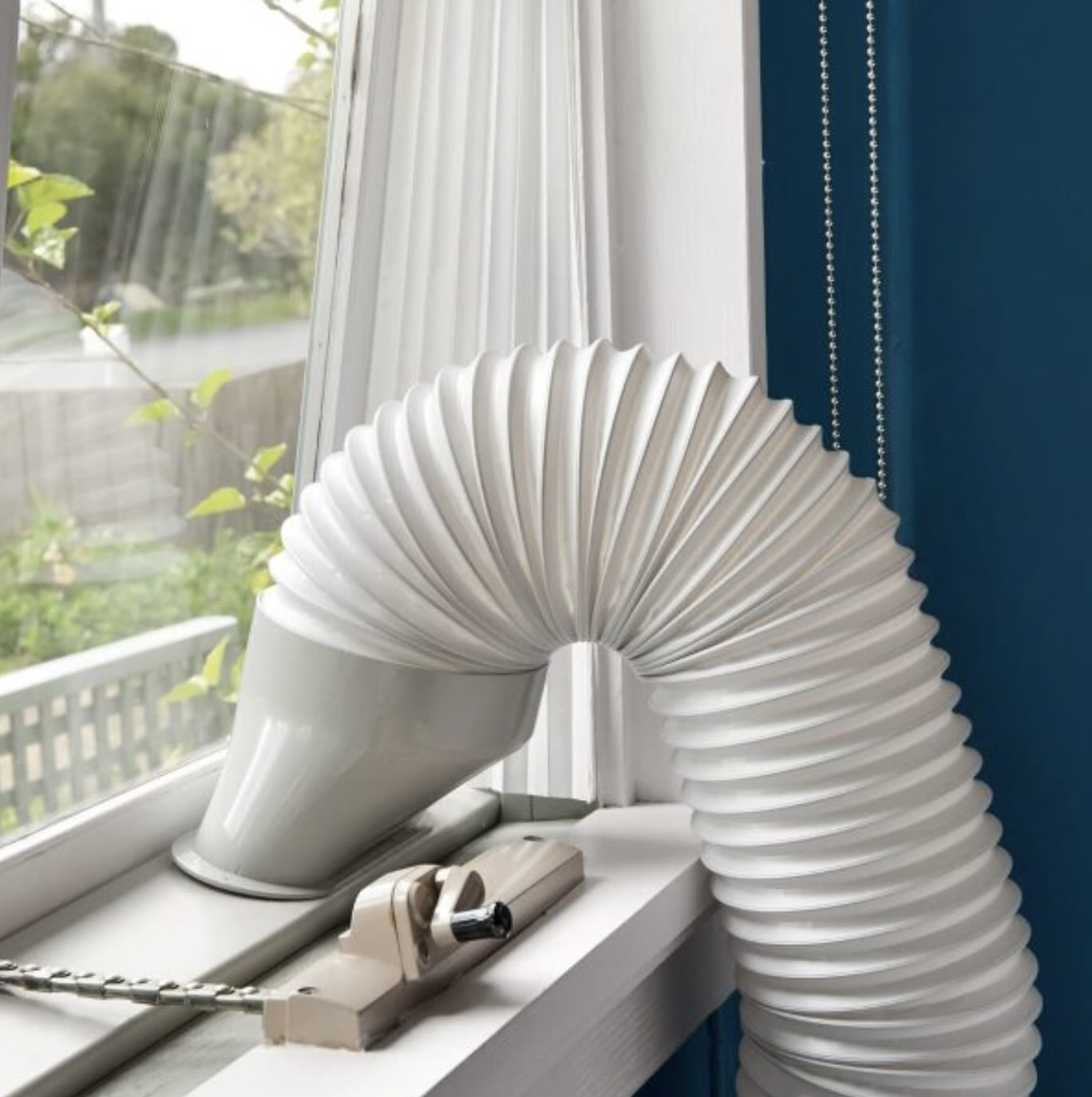
Finally, do not overlook the importance of energy efficiency. Look for units with high SEER (Seasonal Energy Efficiency Ratio) ratings, as higher efficiency models tend to reduce energy bills over time. Additionally, think about air conditioning installation Weybridge like smart thermostats and energy-saving modes that can boost efficiency and ease of use. Investigate different brands and read customer reviews to discover an air conditioning system that fits your requirements, personal preferences, and budget while ensuring reliable performance and long-term satisfaction.
Typical Mistakes to Prevent During Installation
One of the most frequent mistakes during air conditioning installation is incorrect sizing of the unit. Many homeowners and even a few contractors assume that larger is always better, but this can lead to issues and higher energy costs. An oversized air conditioner can cycle on and off too regularly, leading to increased wear and tear, while an undersized unit may have difficulty to cool the space sufficiently. It’s crucial to conduct a proper load calculation to determine the appropriate size for your home.
Another frequent error is overlooking air flow factors. The positioning of the air conditioning unit and the routing of ductwork or vents substantially affect the performance of the system. Poor airflow can result from obstructions, improper duct sizing, or incorrect placement of vents, causing inconsistent cooling throughout the space. Homeowners should ensure that there are no hindrances and that airflow routes are improved for the optimal results.
Lastly, avoiding professional installation can lead to a multitude of issues down the line. While DIY projects may seem attractive for cost-saving options, inadequate installation can nullify warranties and result in expensive repairs. Professional installers have the knowledge needed to handle the details of system installation, ensuring that the unit is set up correctly and in accordance with local regulations. Investing in a qualified technician pays off in ensuring a reliable and efficient cooling system for an extended period to come.