Selecting the Best Foundation Solutions for Any Project
Piling services are a crucial component of modern building, offering the fundamental structural frameworks needed for a broad range of projects. From domestic homes to skyscraping buildings and large-scale infrastructure, the appropriate piling solutions ensure that base structures can tolerate various environmental conditions and load requirements. Grasping the basics of piling, such as its varieties, installation methods, and the situations that require its use, is essential for anyone involved in building planning and execution.
In this comprehensive guide to piling services, we will delve into the importance of these methods, investigate the various types of piling, and help you recognize when your project might need certain piling approaches. Whether you are an designer, contractor, or real estate owner, having a strong grasp of how piling can build more robust construction bases and the various factors affecting your choices will allow you to make informed choices for your construction endeavors.
Comprehending Foundation Solutions
Piling services is vital techniques utilized for construction for establish deep foundations that can hold heavy loads. These methods necessitate the installation of piles deep into the ground in order to transfer the weight of a structure to stable soil or bedrock. Such a process is particularly important in areas with poor ground conditions and where surface soils cannot adequately support the planned structures. Understanding the importance of piling can aid project managers make informed decisions that guarantee the safety and stability of their developments.
Numerous options exist exist various types of piling methods, that are suited for different soil conditions and project requirements. Driven piles, for example, are hammered into the ground, whereas bored piles are excavated and filled with concrete. Every method has its advantages and applications, making it important to select the right approach based on project specifications and ground conditions. Choosing the correct piling solution plays a significant role in the overall success of a construction project, affecting factors such as stability, longevity, and cost.
Piling is not only crucial to new constructions but also plays a vital role in restoring existing structures. As buildings age and as environmental conditions change, the integrity of the foundation may be compromised. Piling services can offer the necessary support to ensure continued safety and functionality. Irrespective of whether constructing a high-rise building or a simple residential foundation, comprehending how piling works and its benefits remains integral for any construction initiative.
Forms of Piling Solutions
Piling methods are important for offering strength and safety to structures, especially when the soil conditions are not conducive to conventional foundation techniques. There are various types of foundation solutions, each tailored for varied soil conditions and project specifications. The most typical types include driven piles, which are typically made of metal or concrete, and are hammered into the ground using a driving machinery. Their benefit lies in their ability to access deeper, more stable soil layers, making them suitable for areas with soft soils.
A popular method is excavated piles, which are formed by boring a hole into the ground and pouring it with cement mix. This method allows for more flexibility in with respect to pile shape and size, and it can be especially useful in metropolitan environments where area is limited. Drilled piles are frequently used in projects where sound and shaking must be reduced, as they tend to be not as disruptive than impact-driven piles. In addition, various innovations, such as micro-piling, have emerged to cater specific difficulties, such as hard-to-reach areas or minimal load expectations.
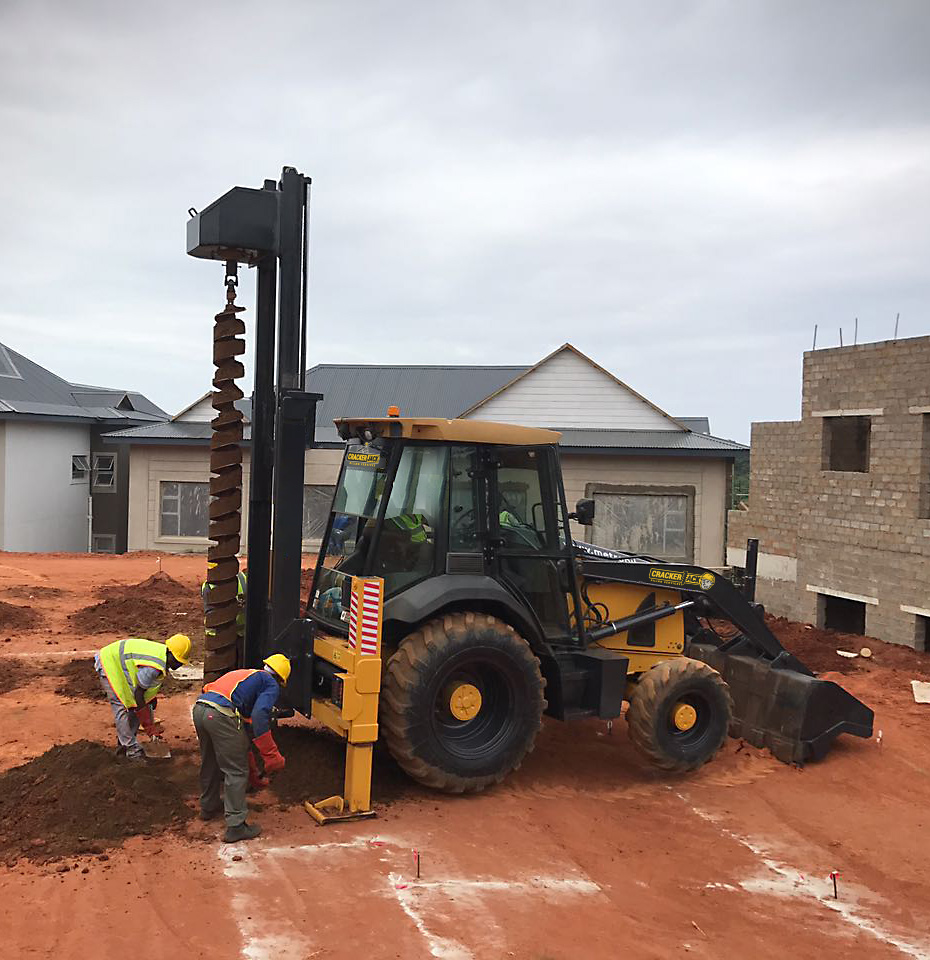
Screw piles are also gaining traction as a piling solution, notably for projects involving challenging ground situations. These are screw-like piles that are inserted into the ground, creating a solid foundation with minimal disturbance. Screw piles are especially suited for use in areas where soil conditions are mixed, such as shifting clay or sandy soils. They can be implemented quickly and easily, making them a preferred choice for both residential and commercial applications. Understanding the different types of foundation options available ensures that project managers can choose the most suitable option for their unique requirements.
Foundation Considerations for Your Project
Selecting the appropriate piling method for your project requires careful consideration of various factors that can impact the overall success of foundation construction. One of the foremost considerations is the ground conditions at the location. Conducting a comprehensive site assessment helps identify soil type, load-bearing capacity, and possible issues that could arise during the piling process. This data is crucial for determining the most appropriate type of piles, whether driven or drilled, and confirming they achieve the required depth for stability.
Another key aspect to take into account is the size and purpose of the construction. Piling Beeston Nottinghamshire -scale projects, such as those involving high-rise buildings or public works like overpasses and highways, often have specific piling needs that vary from residential foundation projects. Understanding these variations is vital for effective planning and implementation. The selection of piling method may also be influenced by environmental factors and site limitations, such as proximity to existing structures or the presence of underground services.
Lastly, it is essential to work with experienced piling professionals who can provide expert guidance throughout the process. Professionals in the field comprehend the nuances of piling design and installation, as well as the optimal techniques for safety and effectiveness on construction sites. Addressing common piling problems proactively and preparing the site adequately for piling work will help to mitigate risks and ensure a favorable foundation, establishing a strong precedent for the entire project.