Rejuvenating The Space: A Guide to Liquid Damage Recovery
Water damage can strike unexpectedly, leaving homeowners in a state of panic and confusion. Whether it’s due to a leaking roof, a burst pipe, or even flooding, the aftermath can be devastating. Knowing what to do immediately after water damage happens is vital to minimizing additional issues. This guide aims to equip you with essential knowledge about water damage restoration, helping you manage the complex process of restoring your home back to its original condition.
In this comprehensive guide, we will cover various aspects of water damage restoration, from recognizing common causes and signs that emergency services are needed, to understanding the critical differences between water damage and flood damage. We will delve into the significance of quick action, the hidden dangers of untreated damage, and how expert help can save your property. Whether you are dealing with water-soaked carpets, damaged walls, or potential mold growth, we will provide practical tips and insights to help you efficiently restore your space.
Prompt Steps Post Liquid Destruction
When liquid destruction occurs in your house, your primary response is crucial in limiting the extent of the destruction. First, make sure the well-being of all occupants in the home. If the water destruction is severe or involves electrical hazards, leave the premises immediately. As soon as it is clear to do so, turn off the power and liquid supply to stop additional complications. Remember that a minor amount of liquid can lead to serious destruction if left unresolved.
Afterward, examine the situation to find out the source of the water and the area affected. In https://notes.io/e6DLw is from a known source, such as a burst pipe or a leaking roof, do your best to manage it as much as possible. Employ towels or buckets to collect any pooling liquid, but avoid electrical appliances in the affected area. Capture the damage by taking images, as this will be beneficial for insurance claims afterwards.
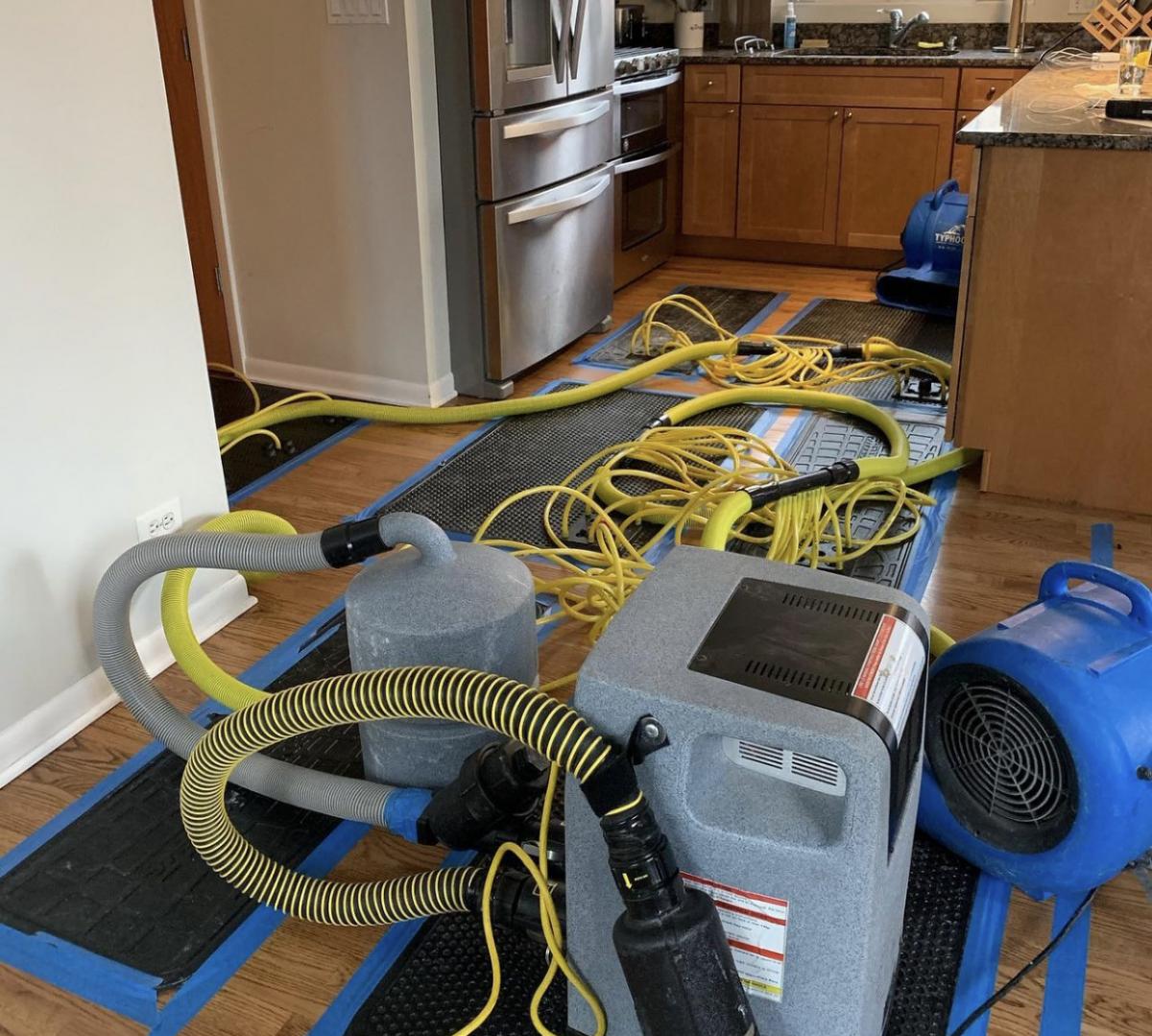
Once you have completed immediate safety precautions and evaluated the damage, it is essential to begin the drying process as quickly as possible. Unseal windows and doors to promote airflow and help diminish humidity. Where feasible, utilize fans or dehumidifiers to aid in removing moisture from the affected areas. Remember, the faster you act to lower humidity, the more unlikely you are to face problems such as mold growth or building destruction in the long term.
Comprehending Water Damage Recovery
Water damage recovery is a critical process that helps property owners bounce back from incidents that have affected the structure of their homes. This can vary from small drips to considerable flooding situations. The restoration procedure typically starts with a thorough evaluation of the damage, identifying damaged areas and assessing the source of the water to avoid further complications. Restoration specialists utilize various methods and equipment to extract water, dry out affected buildings, and repair any harm that has taken place.
One essential aspect of effective water damage restoration is the quick response to the situation. Swift action reduces further complications, such as mold growth and structural damage. Property owners must know what to do immediately after liquid damage happens, including shutting off the water supply and calling a restoration service. The objective is to tackle the issue before it escalates, as overlooked liquid harm can result in concealed hazards such as damaged construction integrity and health hazards from fungus.
Restoration also involves repairs and rehabilitation of affected components. This includes reviewing how liquid damage has affected flooring, roofing, and insulative materials. It is important to be aware of the differences between water damage and inundation damage, as this can influence coverage coverage and recovery strategies. Property owners should be knowledgeable with the restoration schedule, noting that the timeframe of the process varies based on the seriousness of the damage and the effectiveness of the restoration efforts.
Preemptive Measures and Protection Strategies
To prevent water-related issues in your home, routine upkeep is crucial. Routinely inspect your pipes for leaks, and pay particular attention to devices such as washers and dishwashers that are susceptible to water damage. Ensure that drainage systems and downspouts are unobstructed to avoid flooding during heavy rains. Moreover, consider putting in place a sump pump in your basement to control potential flooding and keep your home dry during inclement weather.
It is also essential to safeguard your possessions. Use waterproof containers for important items stored in areas susceptible to water exposure, such as lower levels or lofts. Elevate electrical systems and devices off the ground to minimize the risk of damage from any unanticipated leaks. By being vigilant in safeguarding your possessions, you can considerably diminish the impact of water-related problems.
Finally, stay informed on the indicators of potential water damage. Look for marks on walls and ceilings, musty odors, or unexpected dampness in your home. Addressing these issues early can help you avoid more serious problems, including the growth of mold and structural damage. By staying vigilant and implementing preventive measures, you can protect your home and ensure a secure living space.