Rehabilitation on the Rise: New Techniques in Fluid Harm Restoration
Water damage can occur without warning, leaving homeowners in a state of panic and uncertainty. Whether it's a broken pipe, a leaking roof, or an overflowed bathtub, the effects of water damage can be catastrophic. The quick response to such situations is crucial in reducing the lasting effects on your property. Knowing what to do right away after water damage in your home can make a significant impact in ensuring a successful restoration.
As knowledge grows about the importance of fast and effective water damage restoration, new methods and professional services are on the rise. Understanding the different steps involved, from initial assessment to complete cleanup, can help homeowners protect their properties and restore their homes. This article will delve into essential topics like the signs that indicate you need urgent repair, the common causes of water damage, and the key differences between water and flooding. Let's explore the best practices and strategies that can enable you to tackle water damage effectively, ensuring your property remains safe and sound.
Urgent Measures Following Flood Damage
Upon encountering water damage at your residence, it is crucial to respond promptly to minimize the damage. The primary measure is to guarantee safety. Turn off the electricity to the damaged regions to prevent electrical risks. If safe to do so, move any valuables or sensitive items to a dry area. Keep away from contact with stagnant water, as it may contain contaminants, especially in situations involving sewage backup or river flooding.
Once safety is secured, check the damage calmly. Inspect all rooms, including more visible spaces like basements, attics, and behind furniture. It is important to record the damage with photos for insurance documentation. Be mindful of any leaking pipes, damaged walls, or flooring that need urgent attention. This information will be crucial when consulting water damage restoration experts.
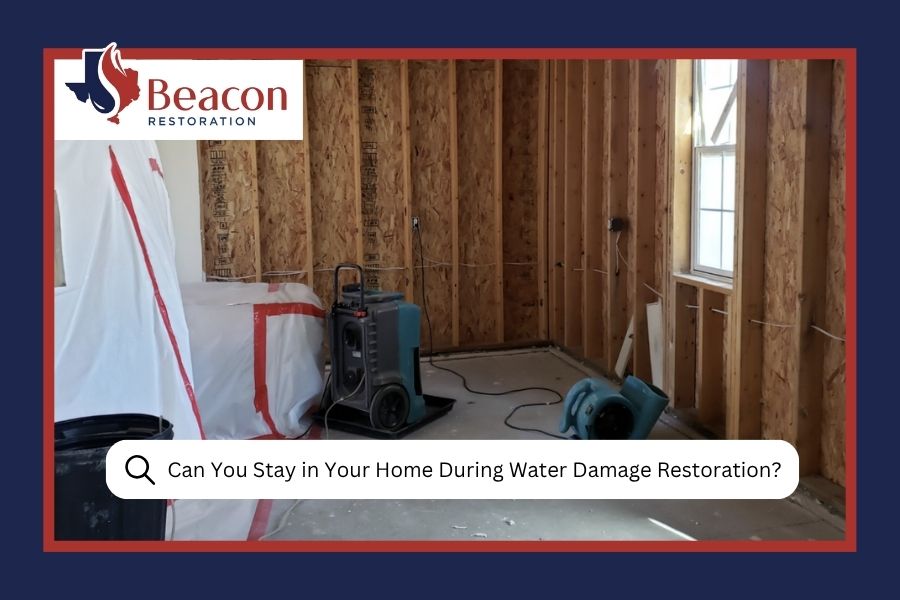
Finally, begin the drying process as quickly as possible. Open windows and doors to encourage ventilation, and utilize fans or dehumidifiers to remove moisture from the air. If More help is significant, contact a professional water damage restoration company for an assessment and to begin the cleanup process. Acting quickly can significantly minimize restoration costs and prevent mold growth or additional structural damage.
Understanding Restoration of Water Damage
Water damage restoration involves a series of procedures aimed to restore a property to its pre-damage condition. This begins with a thorough examination to determine the scope of the damage, that can vary greatly depending on the source of the liquid intrusion. It is important to identify whether the water is clean, gray, or black, as this will influence the rehabilitation approach and required safety precautions. Understanding the category of liquid involved is crucial for establishing appropriate restoration methods.
Once the examination is finished, the following step is extraction. Specialized water damage restoration companies use specific equipment to extract standing liquid swiftly. This immediate response is vital because slow extraction can cause further deterioration and the possibility for mold formation. After extraction, the focus shifts to drying and moisture removal the affected areas to avoid secondary effects. This step typically involves the use of industrial fans and dehumidifiers to ensure humidity levels are returned to baseline.
In conclusion, restoration involves repairing and rebuilding any compromised materials or materials affected. This may involve replacing flooring, wallboard, and insulation that could have been compromised by liquid exposure. Homeowners play a crucial role in this process by recording the damage for insurance purposes and averting future issues through consistent maintenance. Grasping the whole restoration process helps homeowners make informed decisions and reduces the anxiety related to restoration from liquid harm.
Stopping Upcoming Water Issues
To secure your home against future water damage, regular maintenance is essential. Start by examining your roof for missing shingles, which can cause leaks during rain. Clearing gutters and downspouts to ensure proper drainage will stop overflow and water collection near the foundation. Make sure all windows and doors are secured correctly to remove potential entry points for water.
Additionally, consider the plumbing system within your home. Consistently check for leaks in pipes, faucets, and appliances and address any issues quickly. Installing water leak detection systems or smart water monitors can inform you to potential problems before they rise into major damage. Don’t overlook the importance of maintaining proper grading around your residence to guide water away from the ground level.
At last, be proactive in safeguarding your belongings. Store important belongings and important documents in waterproof boxes and keep them lifted from the ground. Consider using moisture barriers in areas prone to dampness, such as basements and crawl spaces. By adopting these proactive measures, you can considerably lower the chance of water damage and preserve the integrity of your home.