Maximizing Power Efficiency using Advanced Heat Pumping Systems
Within the current society, where energy conservation and eco-friendliness are more important than ever, heat pump technology is growing in popularity among property owners. These cutting-edge systems provide dual heating and cooling options, efficiently balancing comfort and energy savings. Since worries regarding rising energy costs and environmental impact escalate, understanding heat pumps and their advantages can enable homeowners to make informed decisions regarding their heating and cooling needs.
If you are considering upgrading your current HVAC system or are simply curious in modern heating solutions, this guide will unravel the most relevant features of heat pumps. Covering installation and maintenance to performance comparisons with traditional systems, we will examine all you need to understand about maximizing energy efficiency with heat pumps. Discover how these systems can enhance your home's comfort throughout the year while also helping to a more sustainable planet.
Understanding Heat Pumps
Heat pumps constitute advanced systems engineered to transfer heat, functioning in both cases heating and cooling purposes in homes. In contrast to traditional HVAC systems that create heat or cool air, these systems transport heat from one area to another. This process leverages the refrigeration cycle, enabling heat to be absorbed from the air or ground and dispersed inside during colder months. On the other hand, in milder months, the system can switch this process, removing heat from the within of the home and expelling it outside, resulting in a comfortable living environment all year long.
One of the key aspects of these systems is their energy efficiency. They utilize electricity to conduct heat instead of generating it through combustion, making them considerably more energy-efficient than conventional heating systems like furnaces and boilers. Discover more of heat pumps is often evaluated by their COP or SEER, showing how much heat is generated for each bit of energy consumed. This efficiency results in lower energy bills and a lessened carbon footprint, enhancing environmental sustainability.
Comprehending the various types of these systems is crucial for homeowners thinking about installation. Air-source systems draw heat from the external air, while ground source heat pumps (geothermal) utilize the stable temperatures found in the ground. Each type has its pros and costs, and the decision often is influenced by factors such as climate, property size, and specific heating and cooling needs. In conclusion, heat pumps signify a significant progress in home climate control technology, offering sustainable and efficient options for modern living.
Advantages and Considerations
One of the primary benefits of heat pumps is their efficiency in energy use. They use electricity to transfer heat rather than create it, often attaining efficiencies rated at 300 to 400 percent. This means for every unit of electricity used, they can produce multiple units of heating or cooling, greatly reducing energy bills. Additionally, many recent heat pumps feature sophisticated capabilities such as smart thermostats, enabling homeowners to optimize their energy use more effectively.
However, there are considerations to keep in mind when choosing to install a heat pump. In chillier climates, the heating performance of air-source heat pumps can diminish, necessitating supplemental heating solutions. Ground-source heat pumps, while more efficient, tend to have increased installation costs and require sufficient land for the geothermal loops. Homeowners should assess their local climate and property characteristics to determine the most appropriate option for their needs.
Another important aspect is the installation and maintenance of heat pump systems. While installation times can differ, it typically requires a number of days, depending on the detail of the system. Regular maintenance is crucial for enhancing the lifespan and efficiency of the system, and homeowners should factor in potential service costs over time. Educating oneself about reliable installers and understanding the maintenance requirements can lead to a more rewarding heat pump ownership experience.
Setup and Care
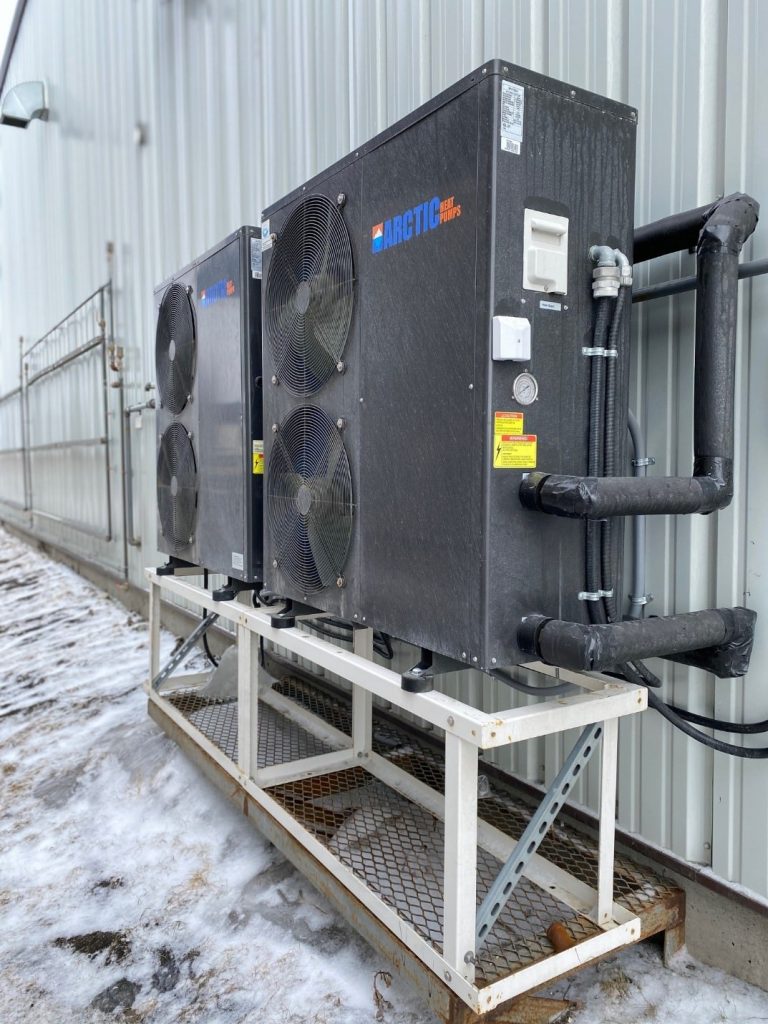
Setting up a heat pump can be a simple procedure when done by a experienced professional. It starts with a detailed evaluation of your home to determine the correct size and kind of heat pump appropriate for your location. Factors such as the layout of your home, insulation levels, and local climate play crucial roles in this evaluation. For newly constructed homes, integrating a heat pump into the planning phase can lead to more efficient installations, while upgrading for existing homes may necessitate more extensive renovations. Proper setup is key to optimizing efficiency and ensuring sustained performance.
Once set up, regular maintenance is essential to ensure your heat pump running smoothly and productively. Basic care tasks feature washing or changing filters every 1-3 months, monitoring refrigerant levels, and making sure the outdoor unit is clear of debris. Organizing annual professional care can assist spot potential issues before they become serious problems, ensuring longevity and consistent performance. Additionally, establishing a maintenance plan can help in optimizing energy efficiency, leading to reduced utility bills.
Property owners should be cognizant of typical issues that can arise, such as odd noises, diminished heating or cooling performance, and higher energy costs. Being proactive and handling these signs early can avert costly repairs down the road. Acquainting yourself with your heat pump configuration, combined with routine maintenance and prompt troubleshooting, will boost your asset and add to the overall comfort and effectiveness of your home.