Above this Surface: Understanding Piling Techniques
Piling solutions play a critical role in the building sector, serving as the backbone for various structural projects. As buildings become higher and infrastructure more intricate, understanding the significance of a robust foundation becomes increasingly important. Piling not only provides stability and durability but also addresses the challenges presented by changing soil conditions and environmental factors. Whether you are embarking on a residential project or planning a massive infrastructure development, having a thorough grasp of piling services can make all the difference in the success of your construction projects.
In this guide, we will explore all facets of piling services, from what they consist of and their importance to recognizing signs that your project may require them. We will delve into the various types of piling offered, the installation procedure, and the unique considerations needed for different building types. By understanding these core elements, you can more accurately assess your construction needs and make knowledgeable decisions that will contribute to the lifespan and safety of your structures.
Understanding Piling Solutions along with These Importance
Piling services serve a critical function in construction by offering sturdy and stable bases for different structures. These foundations hold the weight of buildings and aid spread loads evenly, avoiding structural damage over time. Without proper piling, buildings are at danger of sinking unevenly, which can lead to breaks, shifting, or even severe failures. Thus, understanding the importance of foundation solutions is essential for any effective building endeavor.
The need for piling services originates from the different ground and location circumstances that can significantly affect the integrity of a building. Poor ground qualities, such as soft or saturated soils, necessitate the implementation of piles to access more stable ground levels that can bear the weight properly. Piling not only enhances foundation strength but also adjusts to challenging soil circumstances, making it a crucial element in ensuring durable durability and security for buildings, bridges, and systems.
Furthermore, the selection of appropriate foundation solutions is critical for the overall integrity and integrity of a project. Different types of foundations, including driven foundation elements, drilled foundations, and micropiles, each address particular requirements depending on the project’s requirements and site conditions. By thoroughly understanding piling services, building engineers can execute informed decisions that ensure the investment and sustainability of their endeavors.
Categories of Piling and Usage Guidelines
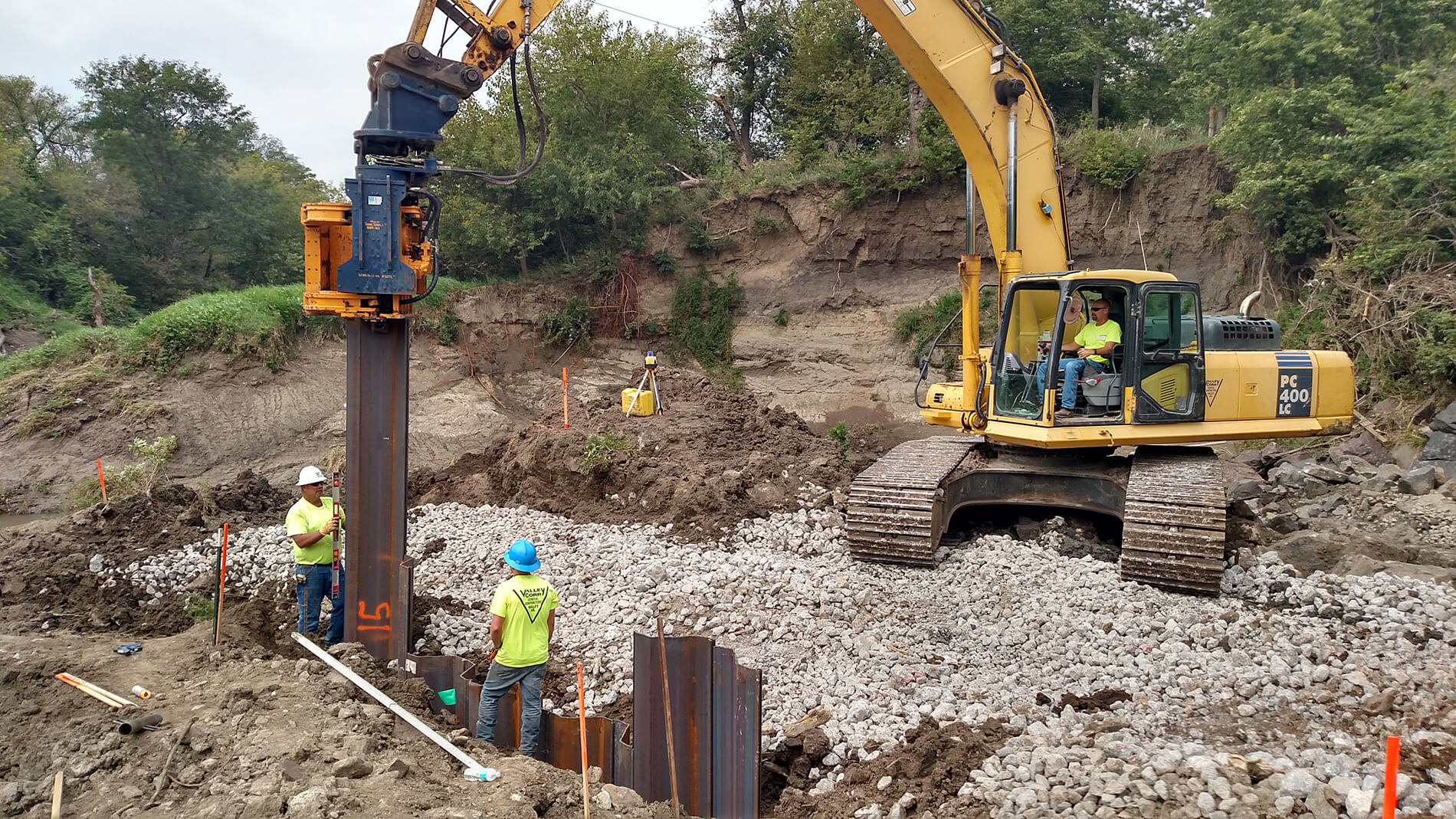
Piling services offer a variety of techniques to suit various construction needs, each tailored for specific soil conditions and load requirements. Hammer-driven piles, made from materials like concrete or steel, are installed by driving them into the ground, making them suitable for dense or hard soils. These piles are effective in shifting loads to deeper, more stable strata, often used in business and factory projects. On the other hand, bored piles are created by boring into the ground and filling the void with concrete. This method is particularly beneficial in areas where noise and vibration must be minimized, making it ideal for city settings.
Another type of piling includes micro-pile foundations, which are narrow piles used in challenging ground conditions. They are designed to provide high load-bearing capacities in limited spaces, and their versatility allows them to be used in both residential and commercial projects. Additionally, Click here for more info , which are spiral foundations, are suitable for lightweight structures and sites with soft soils. These types of piling can often be placed quickly, making them a common choice when time is critical.
When choosing a piling solution, it is crucial to consider factors such as soil characteristics, load requirements, and effects on the environment. The application of the chosen piling method should align with the overall design of the project and the specific demands of the construction site. Consulting with experienced piling contractors can help ensure that the right type of piling is used, maximizing the foundation's performance and enhancing the longevity of the structure.
Pile Installation and Best Practices
Effective piling installation is essential for ensuring the stability and longevity of a building. Before beginning the installation process, it is essential to conduct a thorough ground investigation to evaluate the soil conditions and determine the optimal piling solution. This includes analyzing soil type, strength, and any potential obstacles such as underground utilities or debris. By recognizing these factors, construction teams can make educated decisions about the types of piles to use and the depth required for adequate anchorage.
Once the site preparation is complete and the suitable piling solution is chosen, the actual installation can commence. Utilizing advanced equipment and techniques is crucial to improve efficiency and minimize disruptions. During the installation phase, consistency in monitoring and adhering to safety practices is vital to prevent accidents and ensure that the piles are installed to the correct specifications. Frequent inspections throughout installation can help identify any possible issues early on, allowing for timely interventions.
After installation, proper load testing and ongoing monitoring are vital for evaluating the performance of the piles. This not only confirms the installation but also ensures the continued stability of the structure over time. Employing best practices in piling installation, such as maintaining clear communication among team members and keeping detailed records of the installation process, contributes to the overall success of the project. Following these guidelines helps mitigate common piling problems, ensuring that the foundation is strong and reliable for years to come.